
The Human Resources Directorate of Central University organised a two-day Writing Skills Training Workshop for Administrators; Senior Members and Senior Staff from Tuesday, March 10 to Wednesday, March 11, 2026, as part of ongoing efforts to strengthen professional communication and administrative effectiveness across the University.
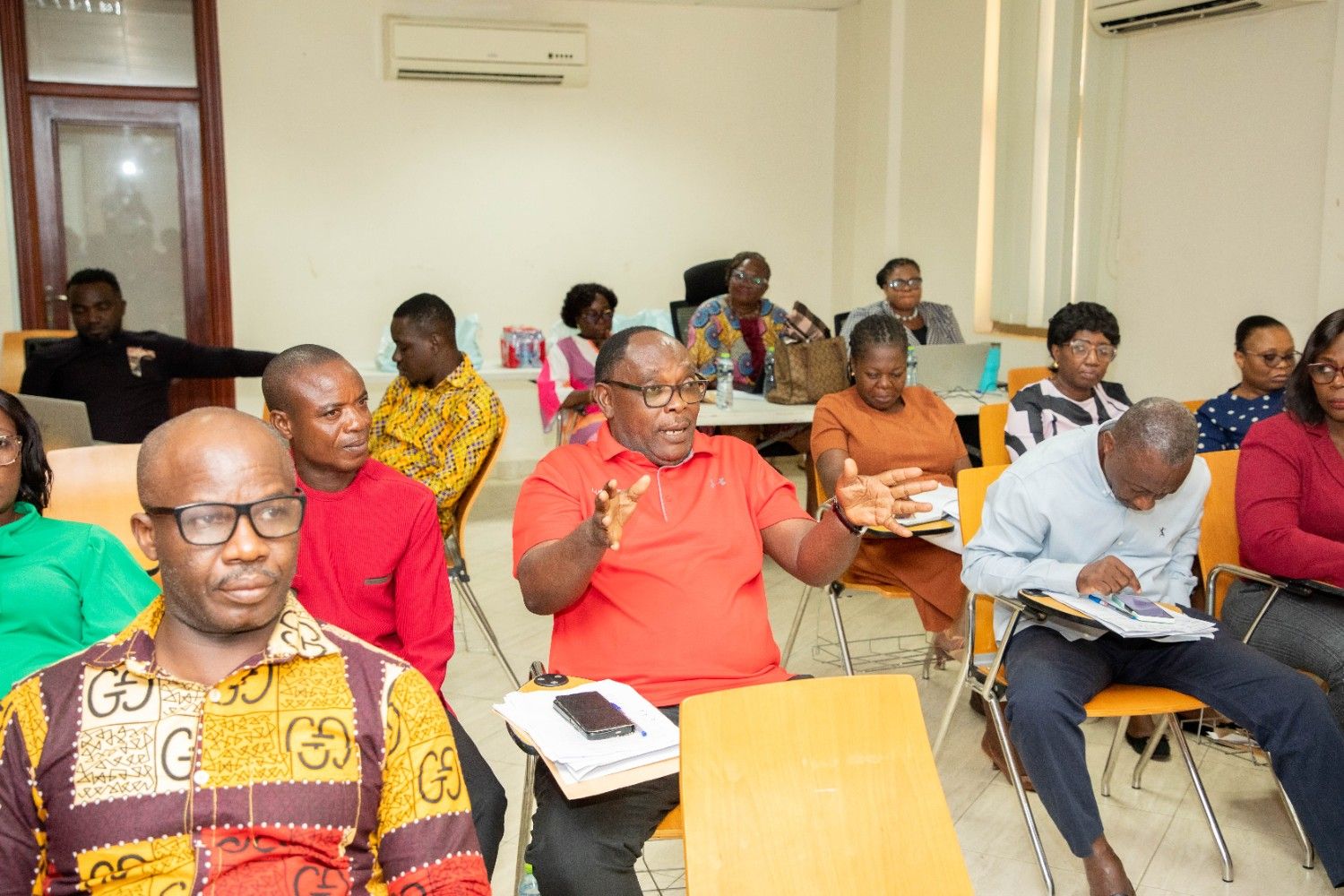
The workshop brought together administrative leaders and staff from various Schools/Faculties, and Directorates to enhance their competence in producing clear, accurate, and professional institutional documents that support effective governance and decision-making.
The session for Senior Members in Administration focused on strengthening participants’ ability to communicate complex institutional information clearly and professionally. Administrative Senior Members in higher education frequently prepare meeting documentation, institutional reports, summaries, and policy-related communications that inform strategic decisions. The workshop therefore emphasized clarity, precision, tone, and adherence to institutional documentation standards.
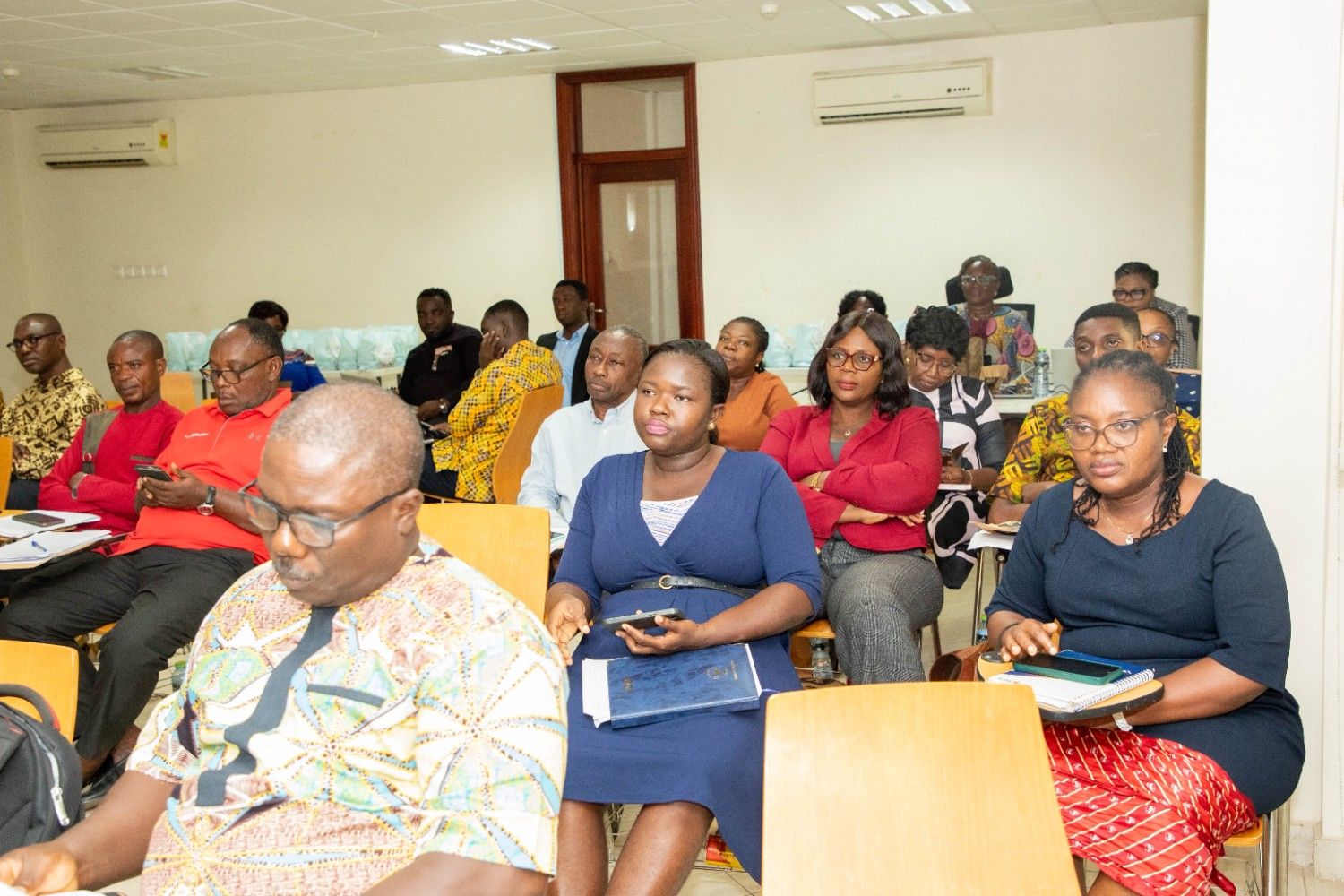
Participants engaged in practical sessions covering summary writing, the language of meetings, minutes writing, report writing, and professional editing practices. These sessions were designed to improve the quality of records and written reports that support governance, accountability, and institutional professionalism.
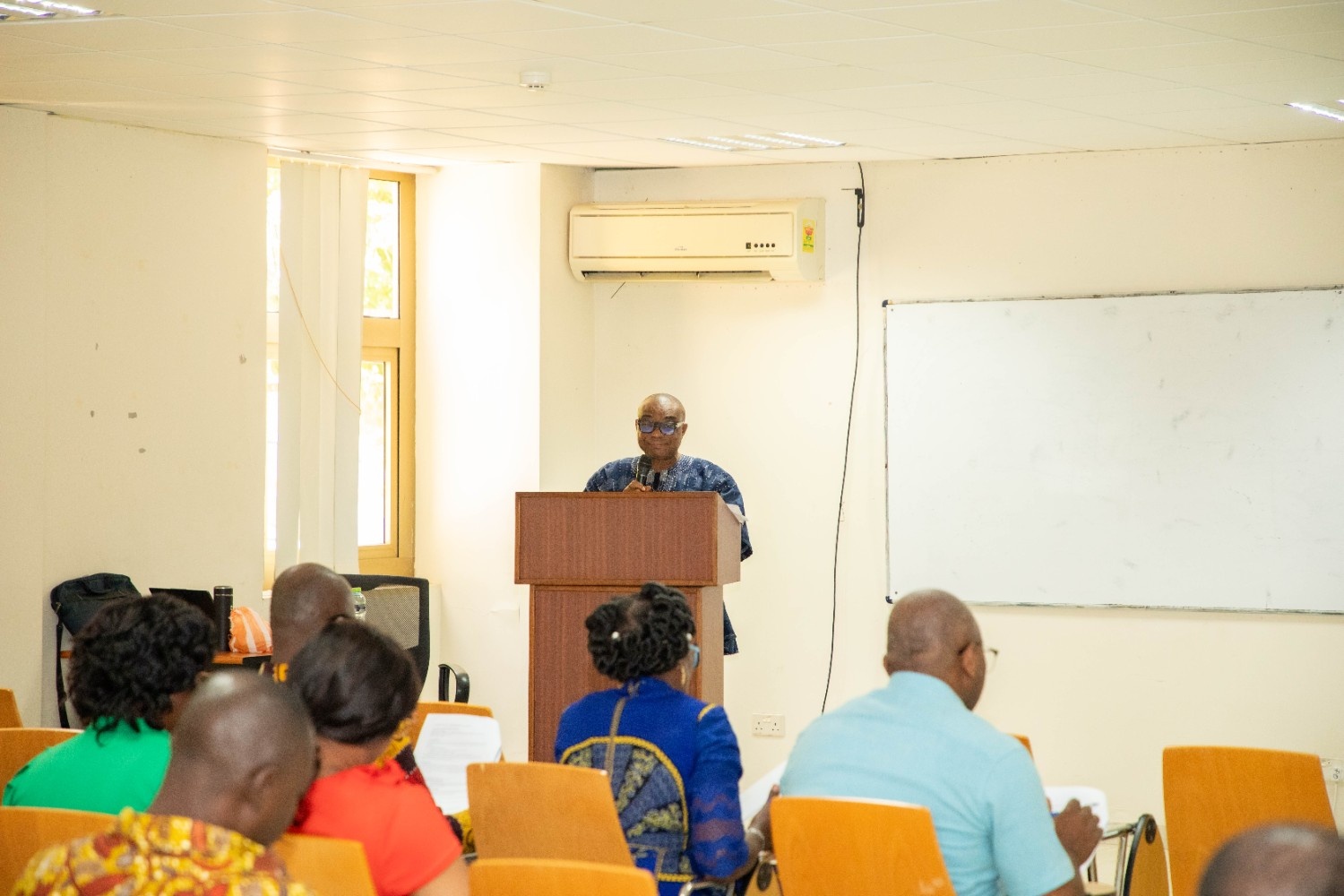
The training was facilitated by Professor Gordon Adika, Department of Teacher Education, School of Education & Leadership, College of Education, University of Ghana, Legon.
Participants are expected to demonstrate improved competence in preparing summaries, minutes, and reports; produce clearer and more professional administrative documents; apply consistent language and formatting standards in official records; and enhance documentation that supports institutional decision-making.
A parallel workshop was organised for Senior Staff, focusing on equipping administrative and senior administrative personnel with the skills required to produce clear, grammatically accurate, and professional written documents for effective communication across the University.
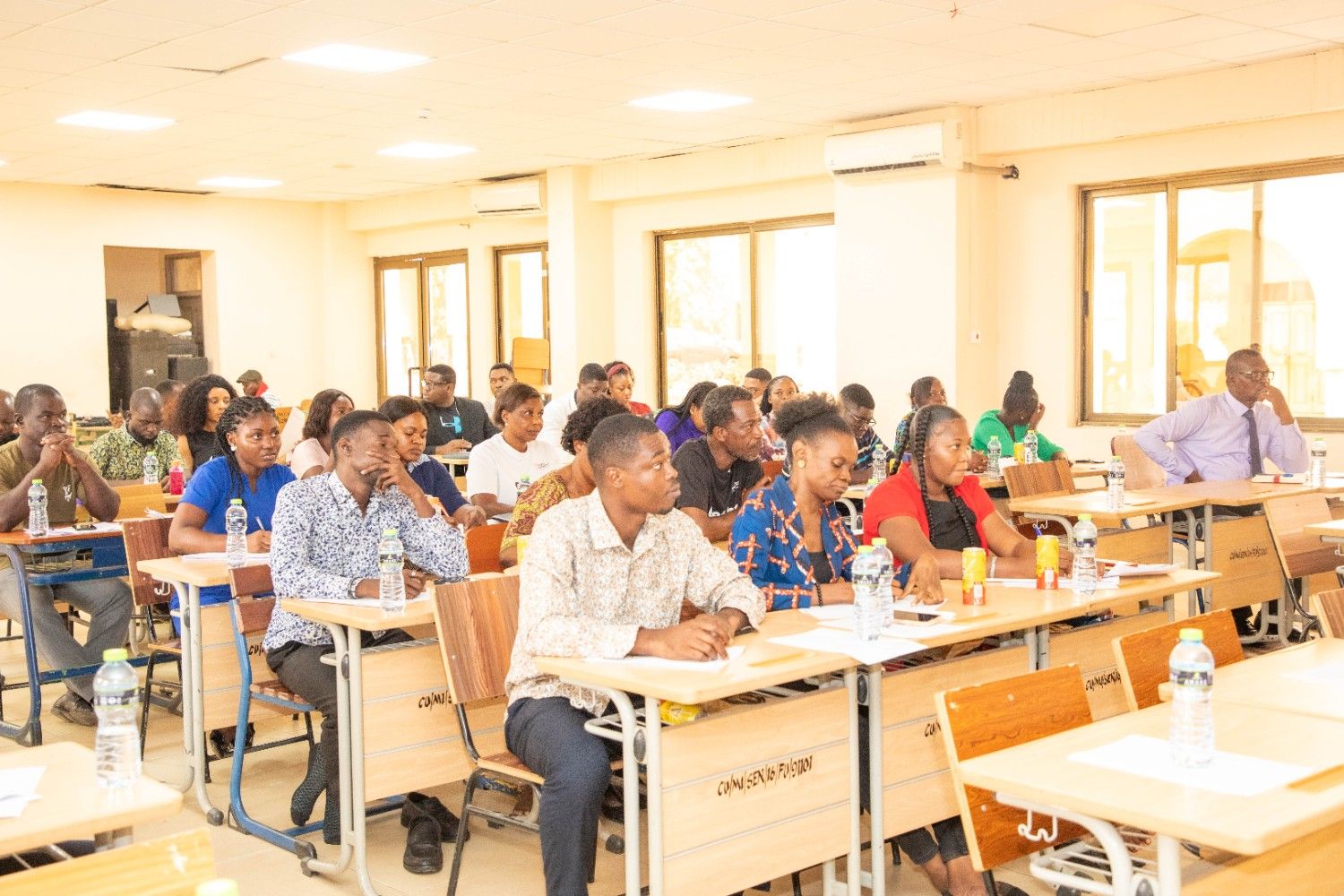
The training addressed the practical writing needs of administrative staff whose roles involve preparing correspondence, memos, meeting records, and summaries for various university units. Sessions focused on summary writing, the language of meetings, and key administrative writing formats, all aimed at strengthening communication and improving record-keeping practices.
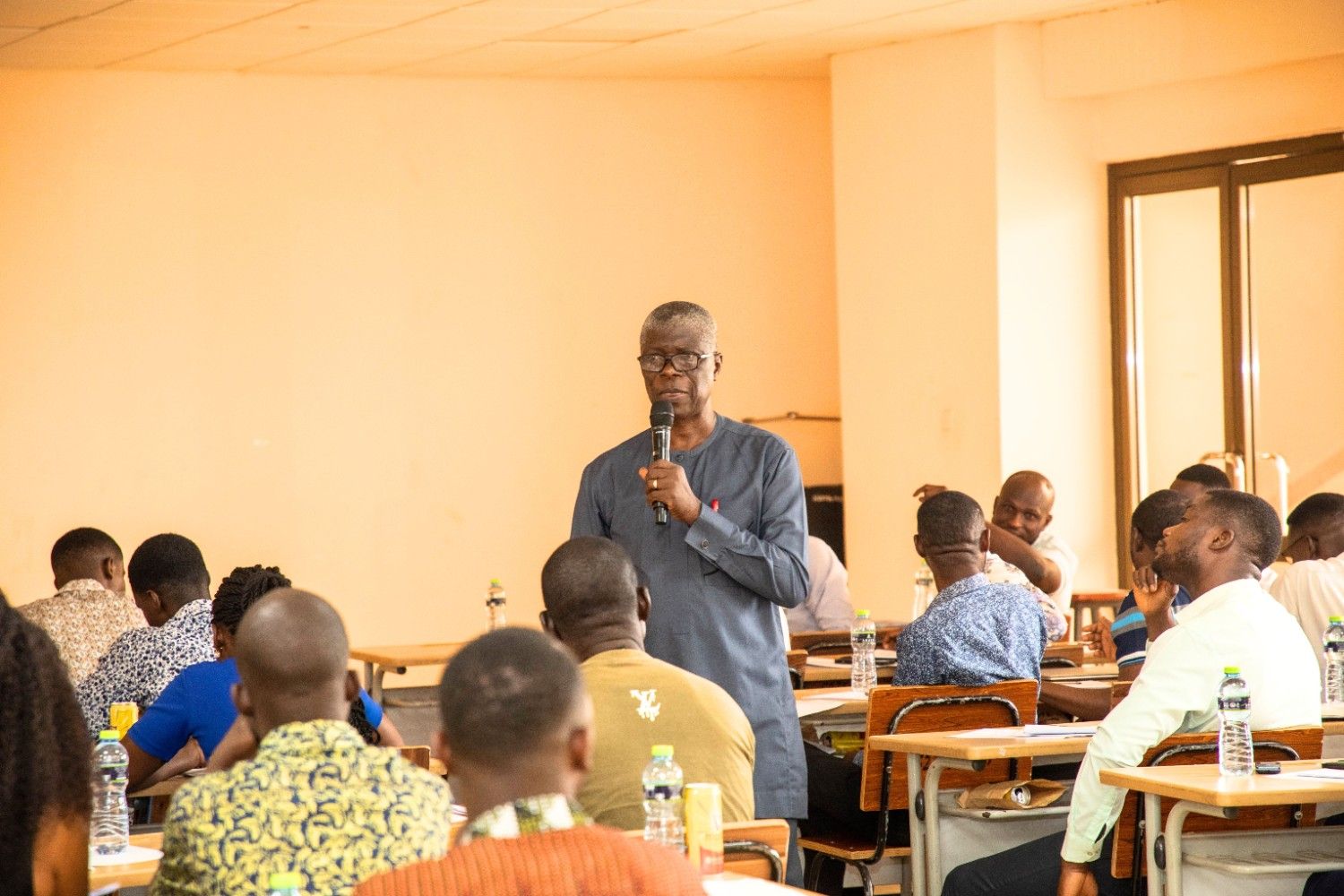
The workshop was facilitated by two experienced resource persons: Dr. Charles Asante, Senior Lecturer (Part-Time), University of Ghana, Legon, whose expertise includes academic writing for Ghanaian students, English for Law, and English proficiency for international students and Mr. Prosper Kwesi Agordjor, Adjunct Lecturer in the Department of French, University of Ghana, and WAEC Examination Moderator, with expertise in academic writing and translation studies.
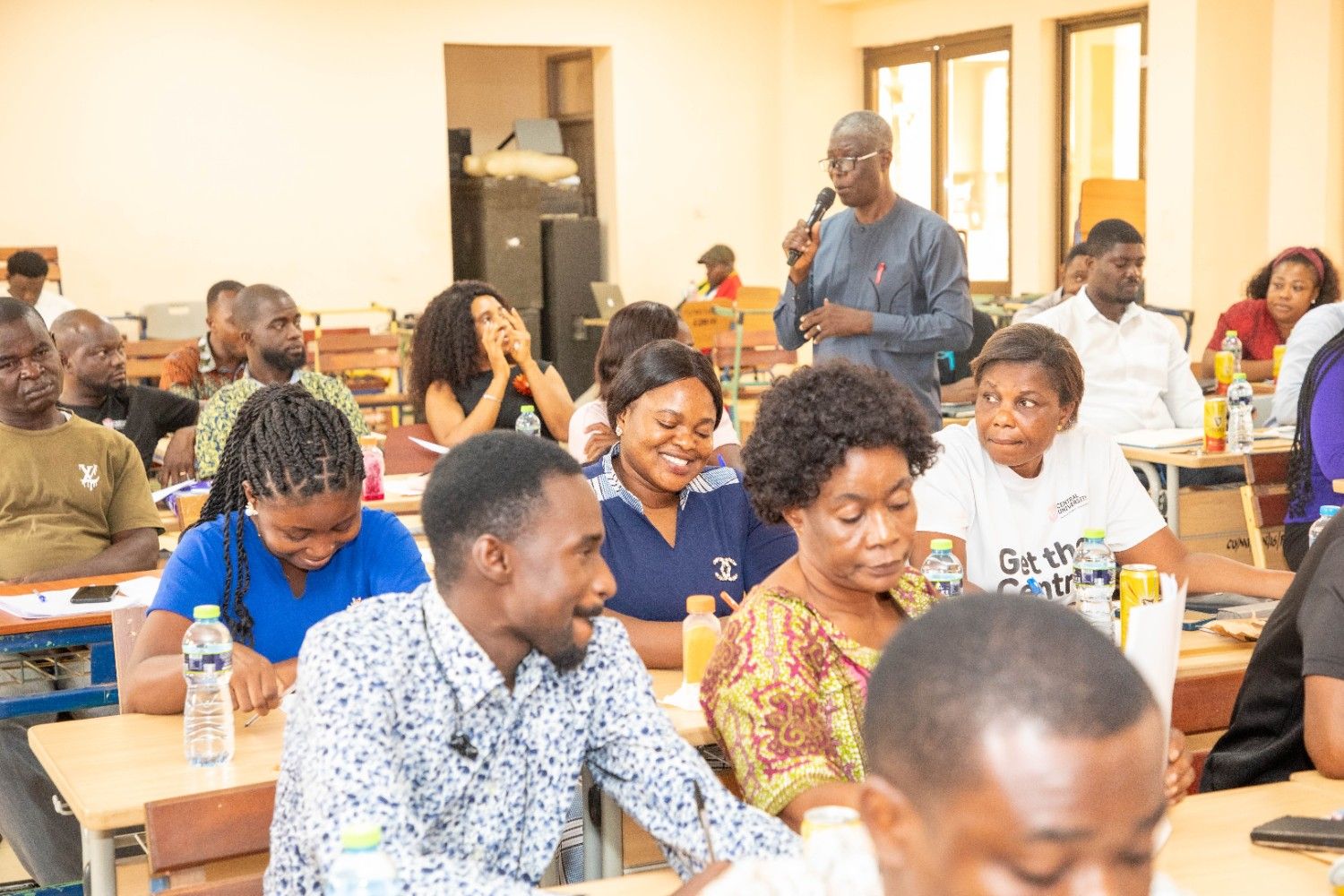
Senior Staff who attended the training are expected to demonstrate improved clarity and accuracy in administrative writing, apply appropriate language and tone in meetings and correspondence, produce well-structured minutes and memos, and enhance the overall quality of written communication across the University.
The workshop forms part of Central University’s broader commitment to capacity building and continuous professional development for its administrative workforce. By strengthening writing skills among administrative personnel, the University aims to enhance internal communication, ensure accurate institutional documentation, and support efficient administrative processes that underpin academic and organisational excellence.
Through initiatives such as this training programme, Central University continues to invest in building a highly skilled administrative team capable of supporting the institution’s mission of delivering quality higher education and effective institutional governance.