Central University (CU) continues to strengthen its commitment to student-centered education through active participation in regional and global higher education dialogues.
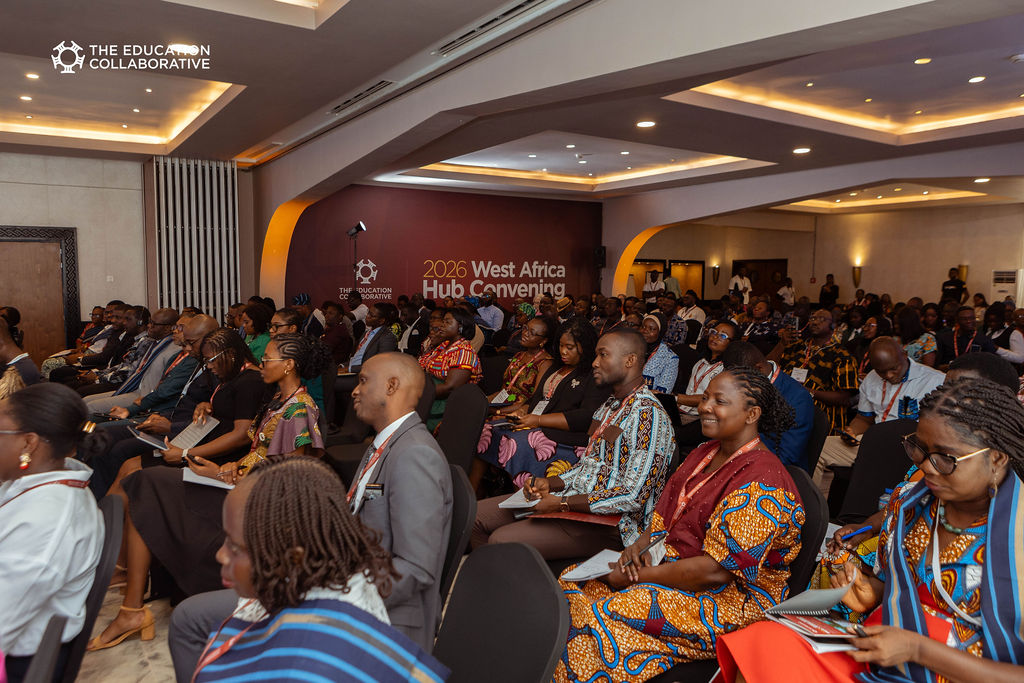
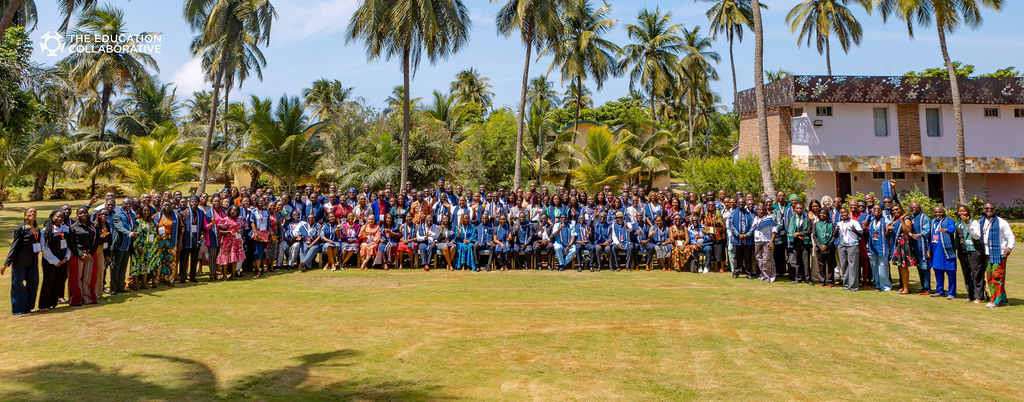
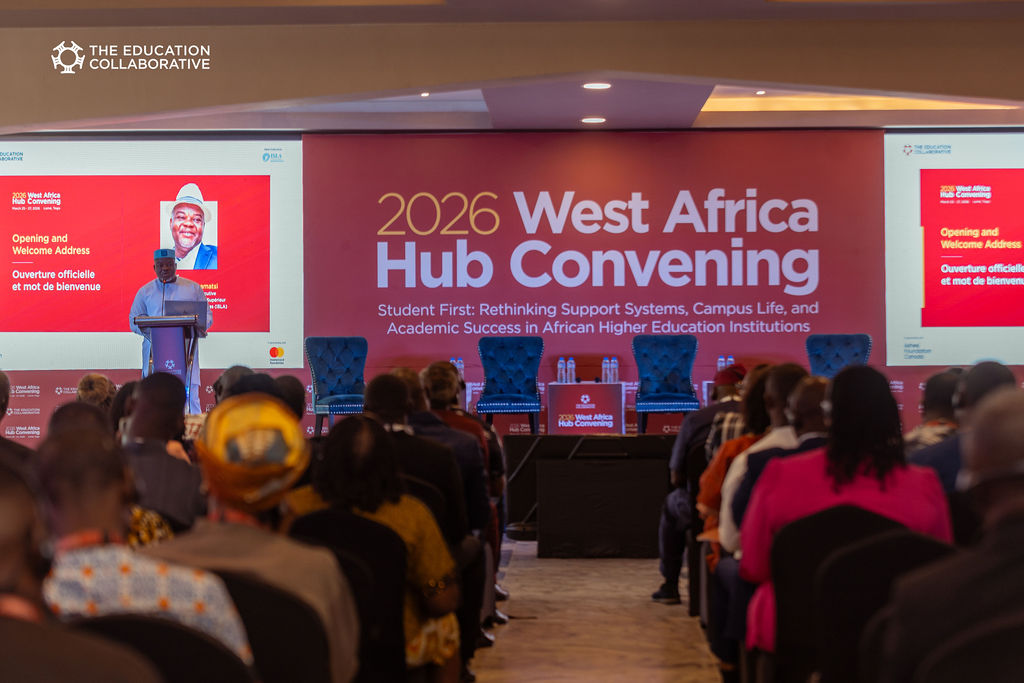
In line with its Strategic Thrust 2—to become a Student-Centered University—Central University participated in the Education Collaborative 2026 West Africa Hub Convening, held from 25th to 27th March 2026 in Lomé, Togo. The convening brought together over 150 participants from more than 40 institutions across 12 countries, including higher education leaders, administrators, and institutional partners from both Anglophone and Francophone regions.
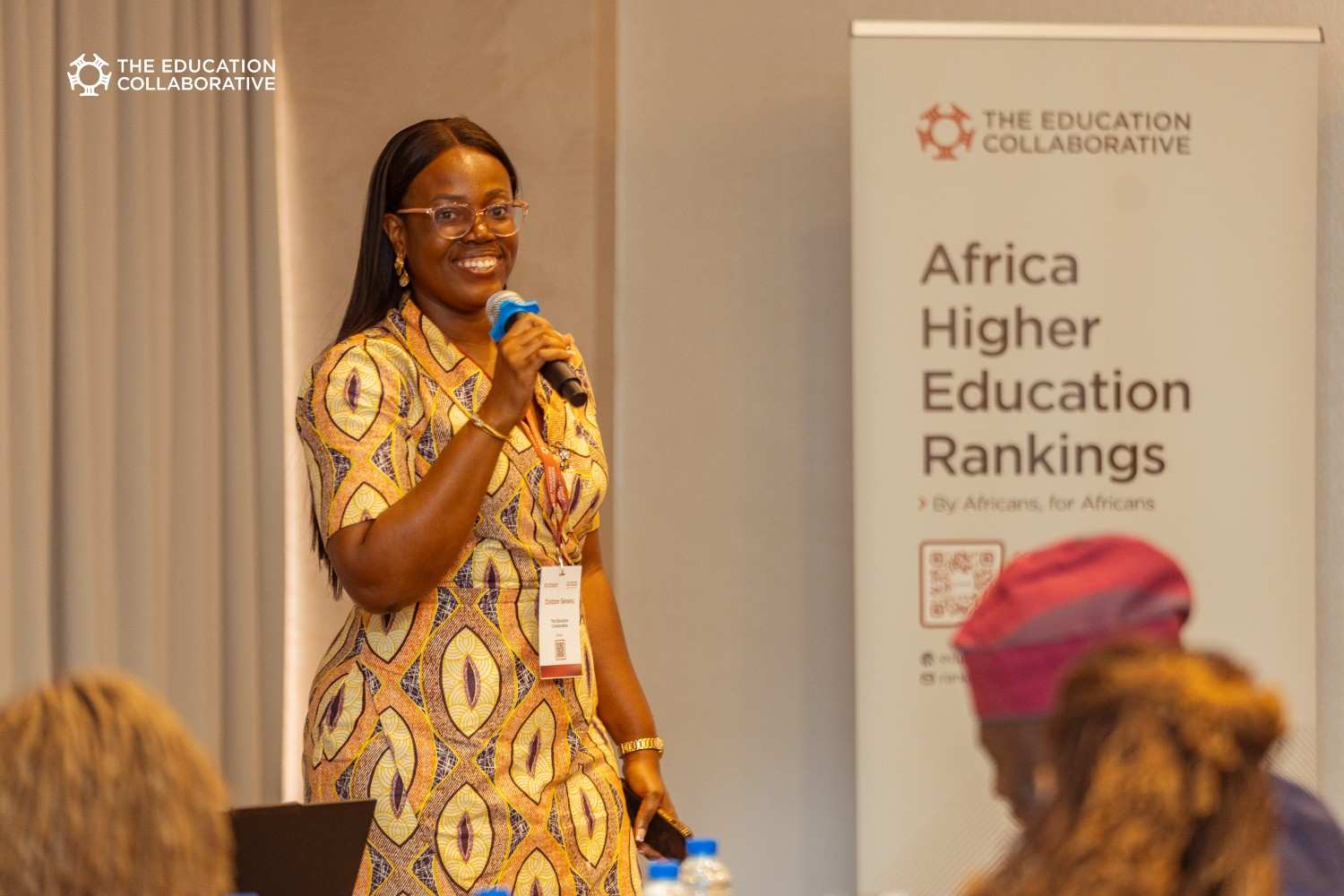
The convening focused on the theme: “Student First: Rethinking Support Systems, Campus Life, and Academic Success in African Higher Education Institutions.” It served as a platform for collaborative dialogue and shared learning, aimed at advancing scalable, inclusive, and student-centered support systems across the region.
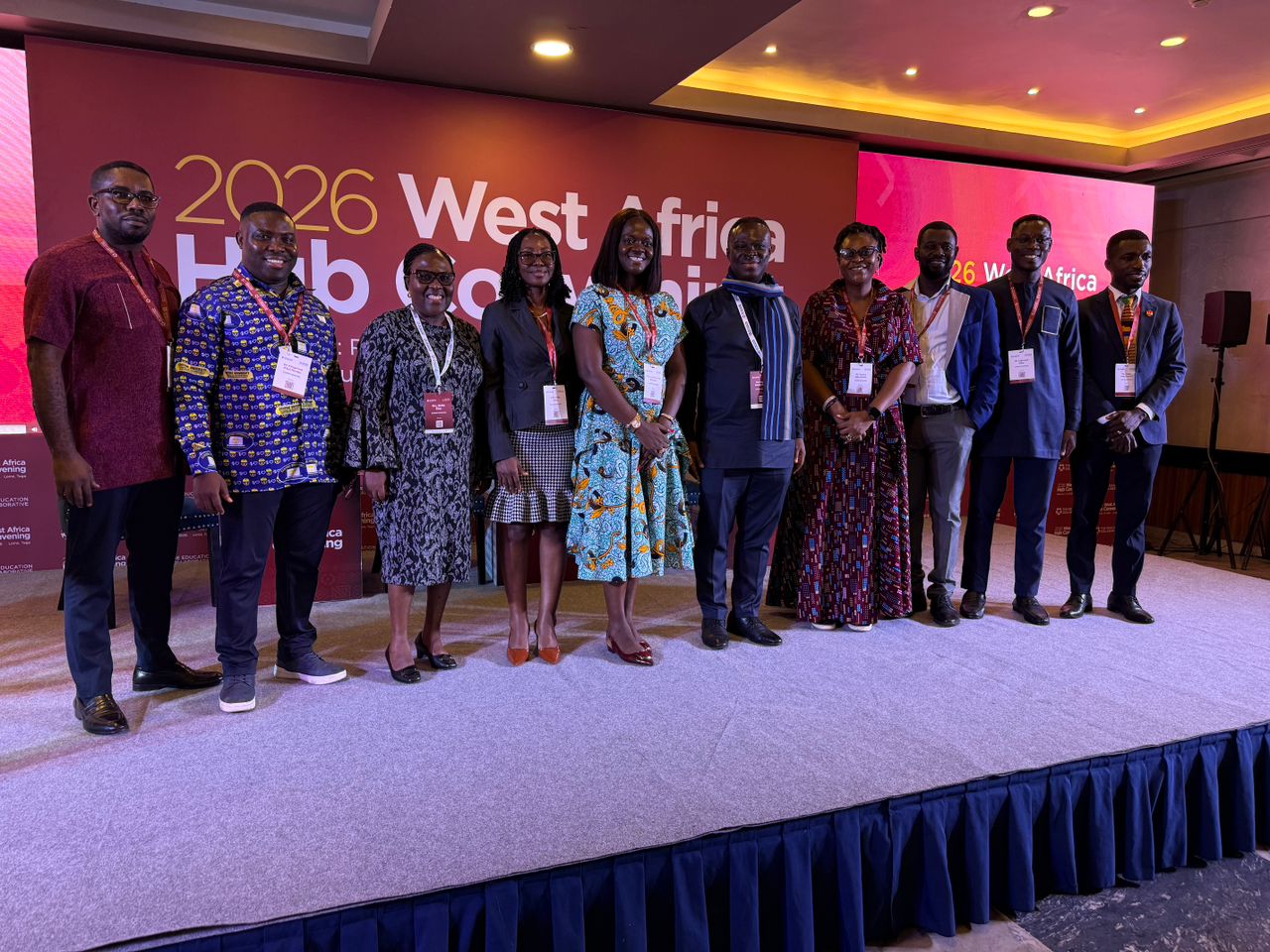
A 10-member delegation from Central University, led by the Vice-Chancellor, Professor Kwasi Dartey-Baah, represented the institution at the convening. The delegation included key academic and administrative leaders such as the Registrar, Mrs. Lily Martina Yeboah Nutakor; Director of Academic Affairs, Mrs. Ruth Afful; Director of Counseling & Career Service Centre (CCSC), Mrs. Stella Etse; Director of the Centre for Distance & Professional Education (CDPE), Mrs. Eunice Adu-Darko; Head of the International Programme Office (IPO), Dr. Kingsford Kissi Mireku; Head of the Department of Pharmacy Practice, Mr. John Antwi-Apenteng; alongside representatives from the Corporate Affairs & PR Directorate and the Office of the Vice-Chancellor.
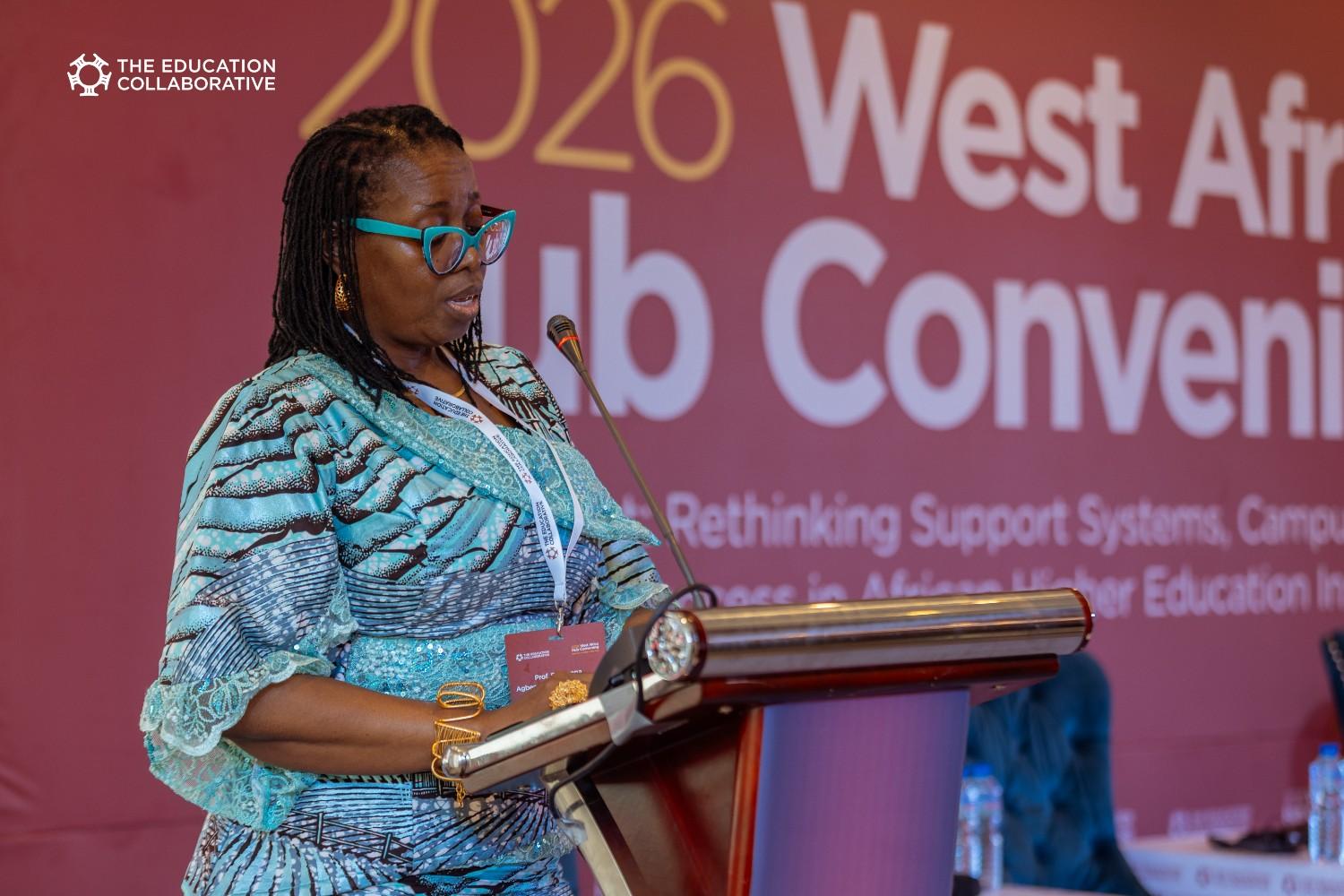
The opening day featured a keynote address titled “The State as Architect: Scaling Equitable and Sustainable Student Support,” delivered by Professor DeBrenna Agbényiga, Provost and Vice-President of Academic Affairs at the International University of Grand Bassam. The keynote examined the evolving role of governments in shaping higher education systems, emphasizing policy frameworks, funding models, and accountability mechanisms that enable scalable student support.
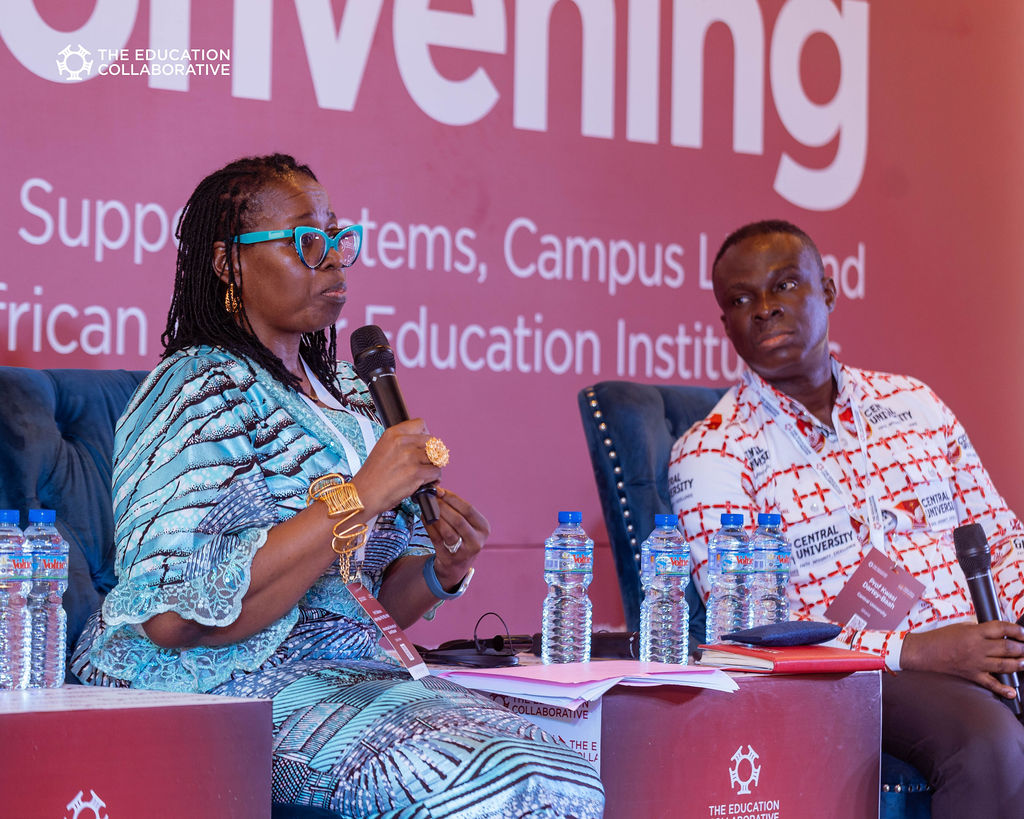
Following the keynote, Professor Kwasi Dartey-Baah moderated an engaging Q&A session, facilitating deeper reflection on the implications of these insights for institutional and national reform.
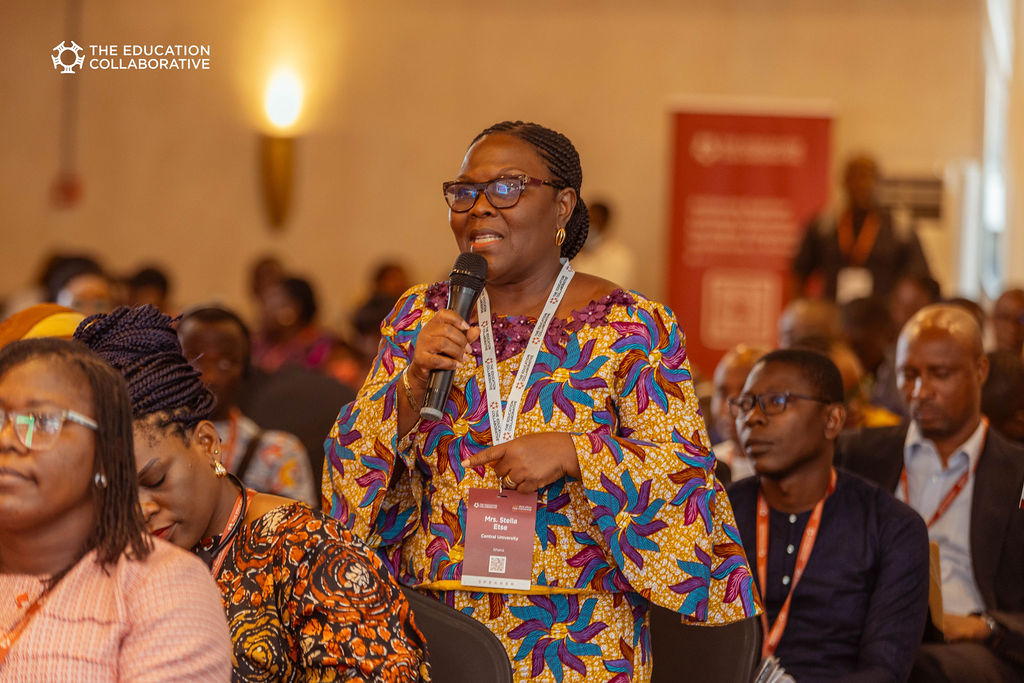
On Day Two, Central University made a significant contribution to the discourse through a presentation by Mrs. Stella Etse during the session on “Implementing Scalable Student Mental Health & Wellness Models.” Drawing on case examples from the 2025 World Mental Health Week initiatives, her presentation highlighted practical and replicable models implemented at Central University to support student well-being. She emphasized the importance of embedding mental health services within institutional frameworks, strengthening outreach efforts, and developing sustainable systems of care that respond to the lived realities of students.
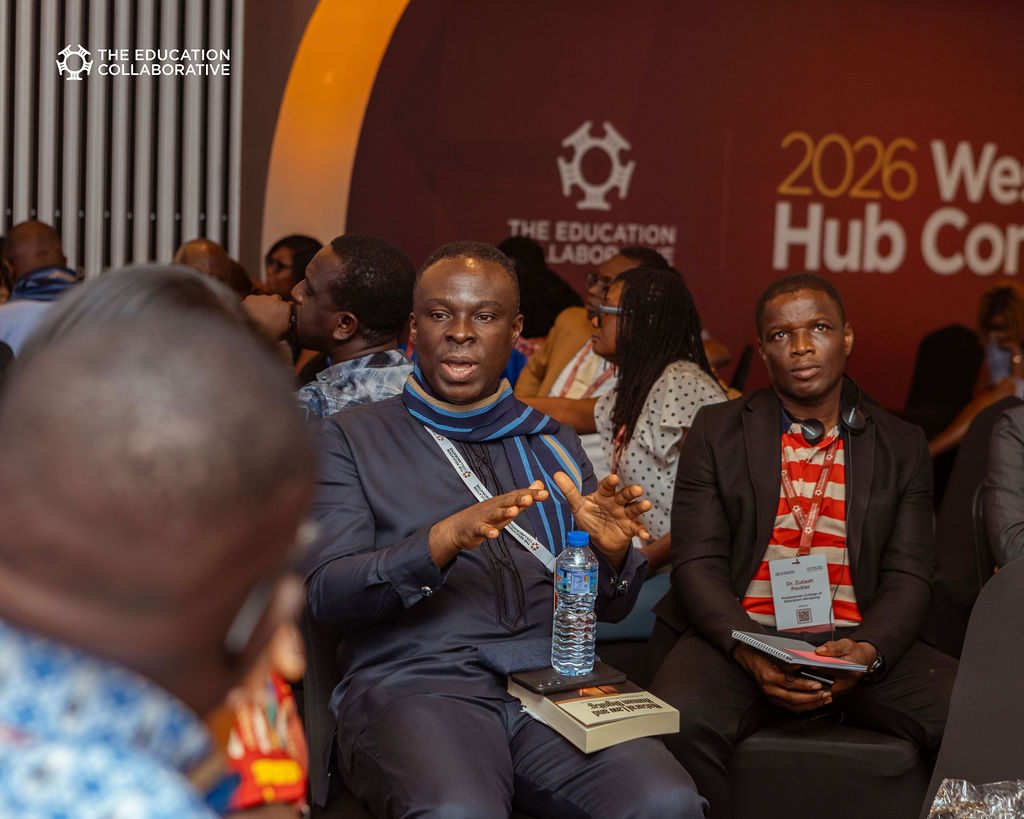
Throughout the convening, participants engaged in knowledge exchange, strategic collaboration, and partnership-building. Key outcomes included:
- Sharing practical approaches to enhancing student support systems
- Reviewing progress within the West Africa Hub and aligning institutional strategies with shared goals
- Strengthening partnerships across institutions to advance holistic student success
- Promoting collaboration between Anglophone and Francophone universities to drive regional higher education reforms

The convening reinforced the critical importance of placing students at the center of institutional transformation. It underscored the need for universities to strengthen support systems, enrich campus life experiences, and align academic pathways with the broader goal of holistic student success.
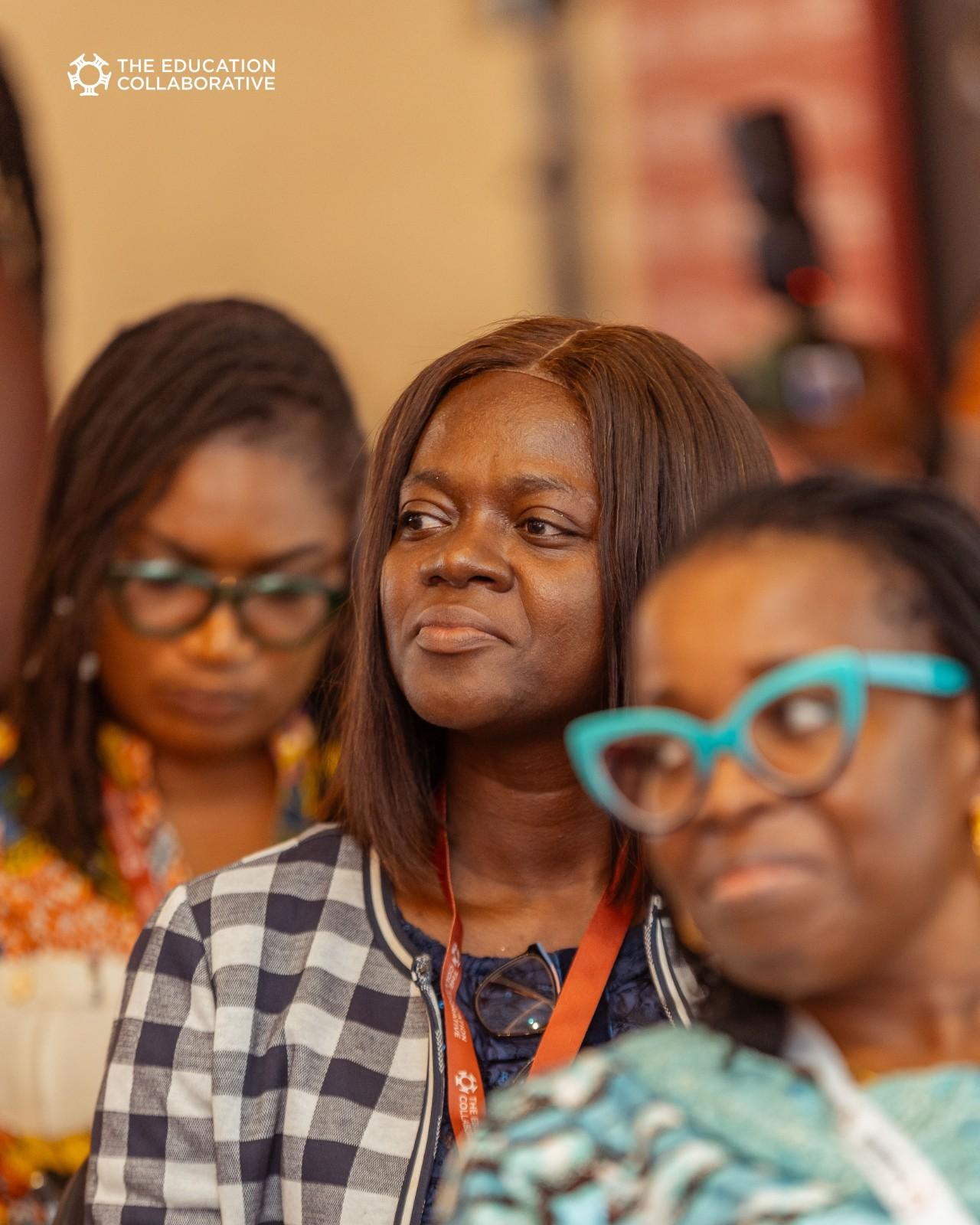
Central University’s active participation in the Education Collaborative 2026 West Africa Hub Convening reflects its unwavering commitment to innovation, collaboration, and excellence in higher education.